Better Systems, Bigger Impact: FRB’s Path Forward
Over the past several months, much of Furniture Repair Bank’s most important work has happened behind the scenes. While the visible part of our mission is easy to understand — furniture comes in, volunteers restore it, and families receive what they need to make a house feel like home — the systems that make this possible are much more complex. As a young nonprofit, we have been building the internal foundation that allows this work to grow responsibly, safely, and sustainably.

Organizational systems and governance
One major area of progress has been organizational infrastructure. We have been strengthening board governance, clarifying committee roles, preparing for our first Form 990, improving financial tracking, and building better systems for budgeting, grant reporting, and asset management. These may not be the most visible parts of nonprofit work, but they are essential. Strong financial and governance systems help us steward resources well, communicate clearly with funders, and make decisions based on a fuller picture of our organization’s needs and capacity.
HR, Staffing, and Role Clarity
We have also invested deeply in our people systems. FRB has been formalizing staff roles, titles, compensation, job descriptions, and HR compliance so our team can grow with more clarity and support. This includes launching a new role to strengthen volunteer coordination, developing an HR audit, and creating a longer-term staffing roadmap. For a hands-on organization like ours, staff capacity is mission capacity. When our team has clearer roles and better support, volunteers receive stronger guidance, furniture moves through the shop more smoothly, and families are served more reliably.
Safety and Compliance
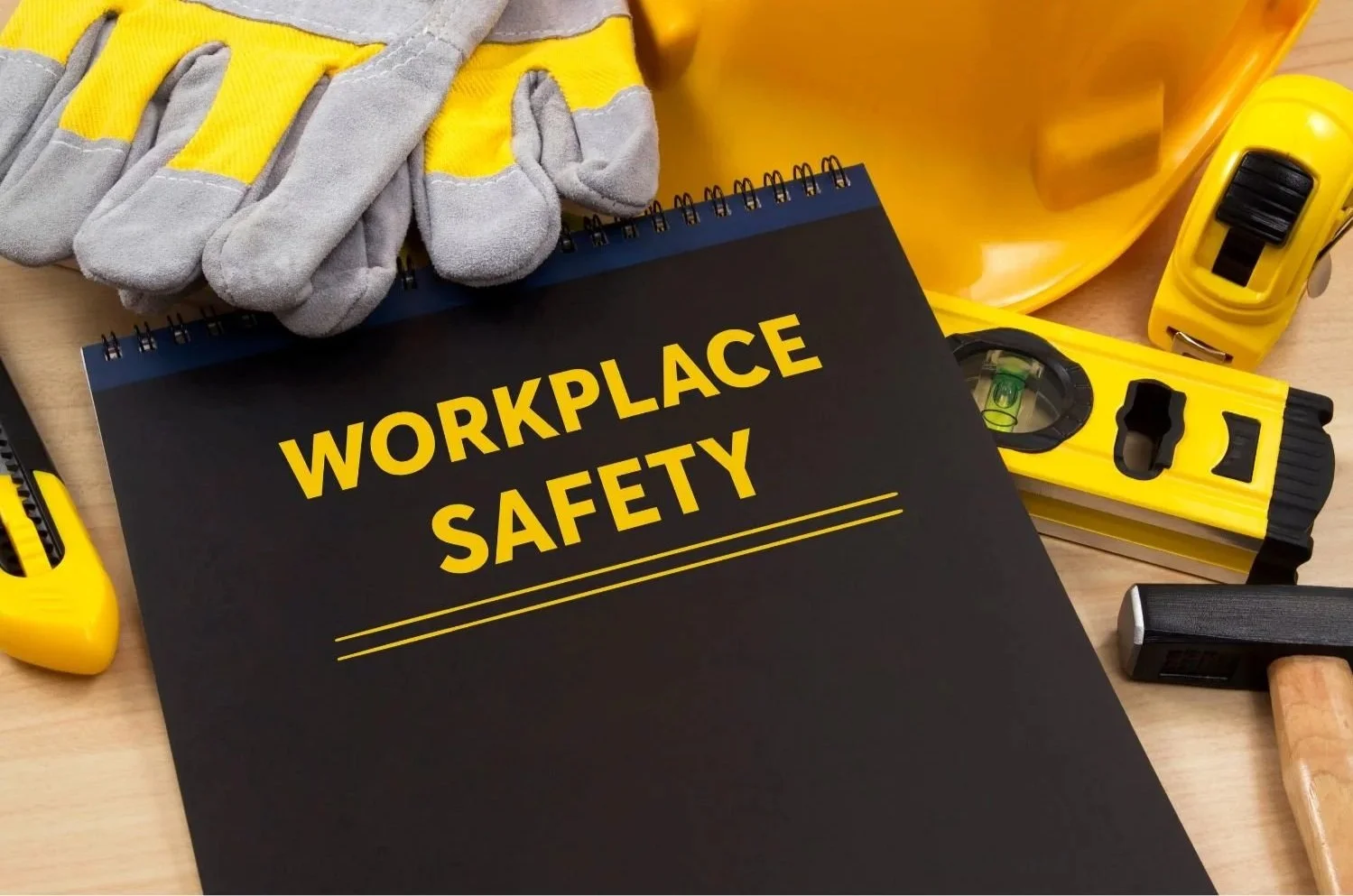
Safety has become another major focus. Furniture restoration is physical work: people lift, sand, staple, clean, paint, move, and repair. Through our safety project and ergonomics planning, we are looking closely at how work happens in the shop and how we can prevent injuries before they happen. This includes workstation design, lifting practices, PPE, safer materials, air quality, and task-specific training. A safer shop is not only a compliance goal; it is part of how we care for everyone who contributes to this mission.
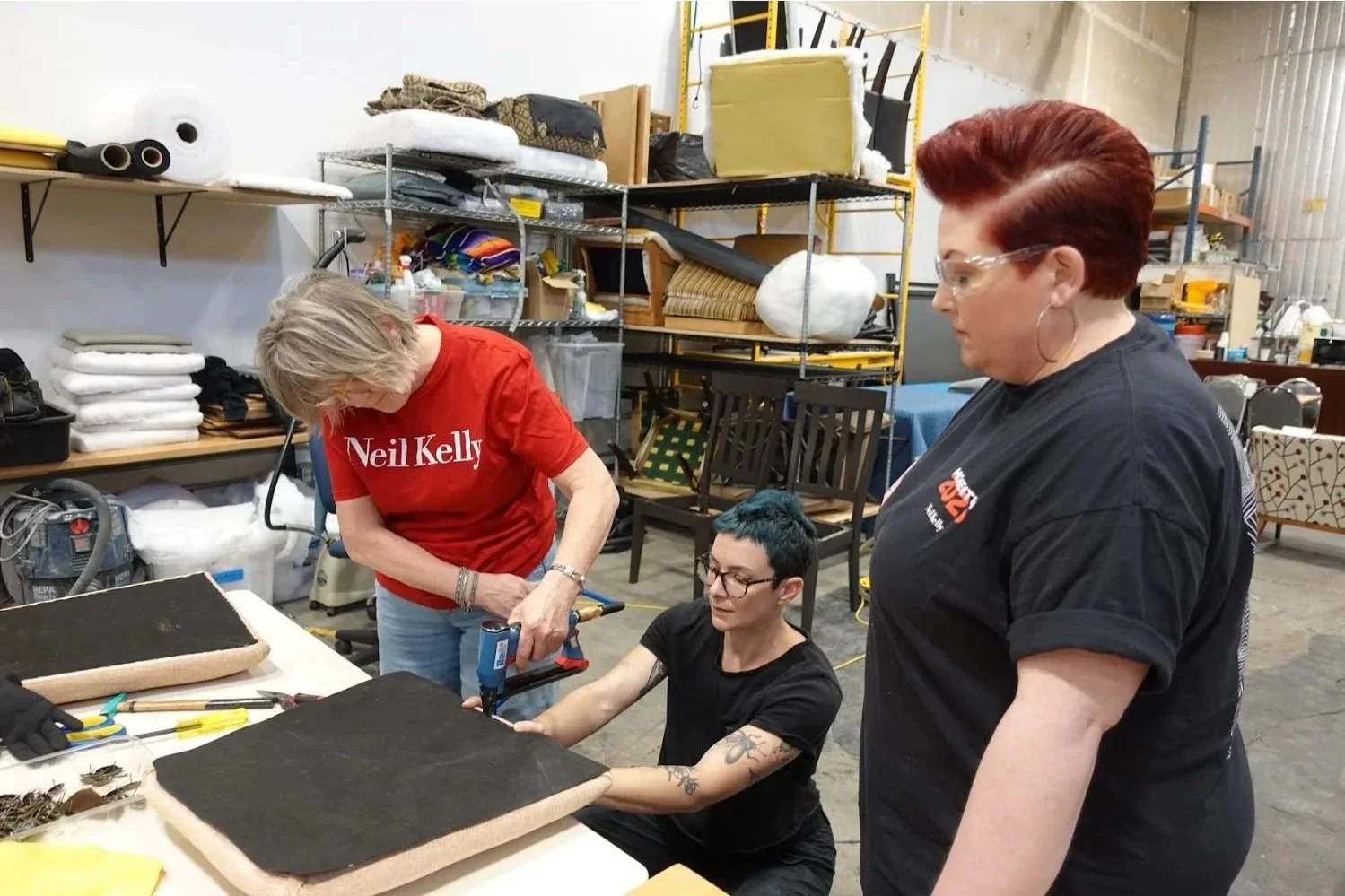
Volunteer training in action
Training and Curriculum Development
Training has also moved from informal knowledge-sharing toward a more structured curriculum. We have been creating training scripts, manuals, safety guides, class materials, and process documents for tasks like sanding, staple removal, upholstery, painting, steam cleaning, and furniture preparation. This helps us teach volunteers and trainees more consistently while preserving the practical knowledge that makes restoration possible. It also allows FRB to become not just a place where furniture is repaired, but a place where repair skills are passed on.
Volunteer Experience and Management
At the same time, we have been improving the volunteer experience. We are looking at how volunteers enter the space, how they receive instructions, how many people each department can meaningfully support, and how volunteers understand the story behind the work they are doing. Ideas like volunteer dashboards, training screens, better signage, improved work zones, and clearer project assignments are all part of the same goal: making volunteer service more meaningful, effective, and connected to impact.
Production and Workflow Systems
Operationally, we have been rebuilding the systems that connect partner agencies, furniture inventory, production, and delivery. Our new partner agency request process is designed to collect better information upfront, open requests in manageable batches, reduce cancellations, and keep communication from getting lost between team members. This kind of process improvement helps us make better furniture matches, reduce wasted time, and provide a smoother experience for case managers and families.
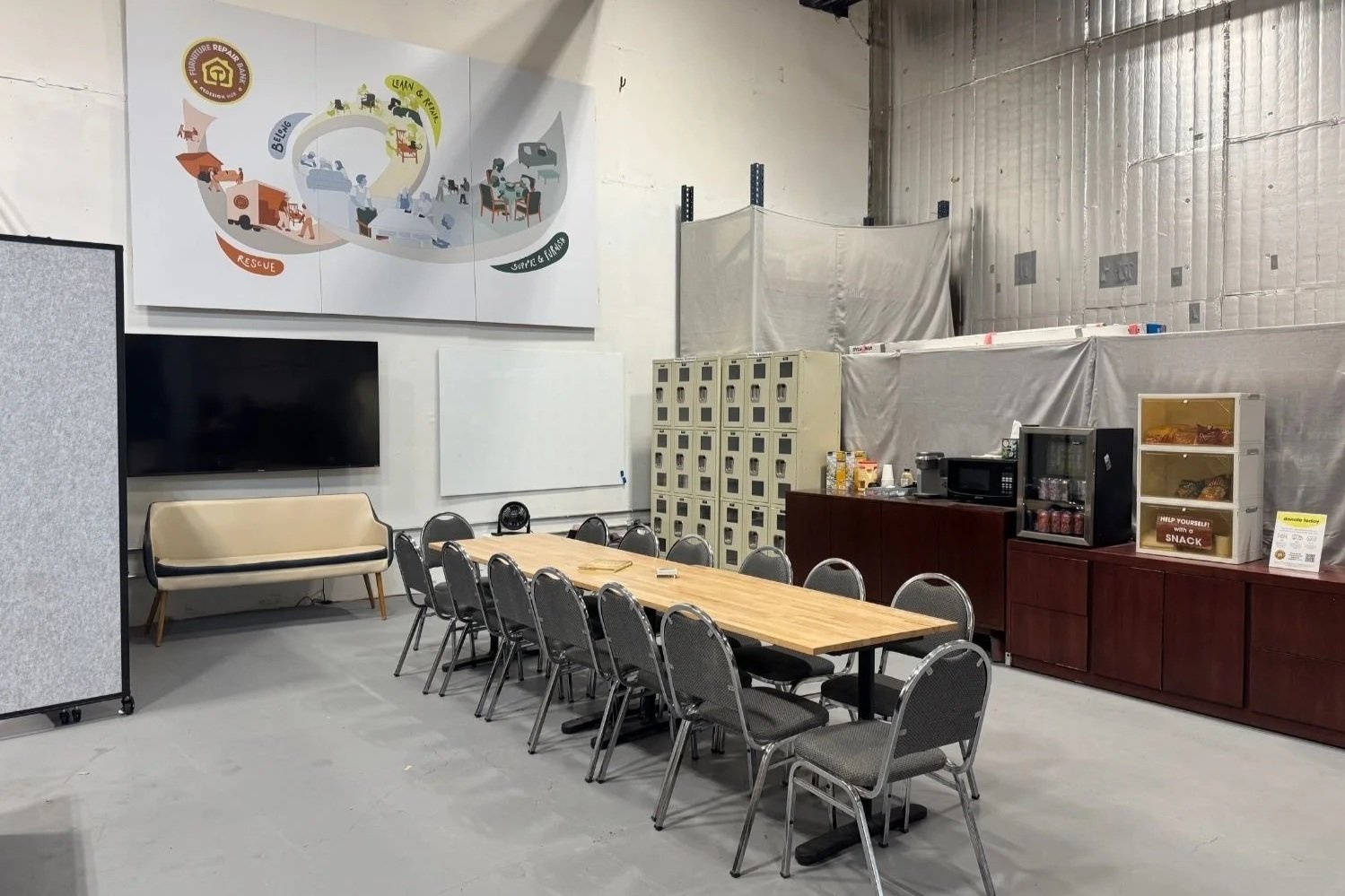
The new & improved community volunteer lounge!
Facility and Infrastructure Improvements
Our physical space has also been evolving. We have been planning and completing improvements to storage, work areas, sanding stations, upholstery space, volunteer areas, parking, loading, bathrooms, and shop flow. These upgrades are not just about making the warehouse look better. They help us train more volunteers, restore more furniture, move items safely, and create a space that reflects the dignity of the people we serve and the value of the materials we recover.
Earned Revenue and Social Enterprise Development
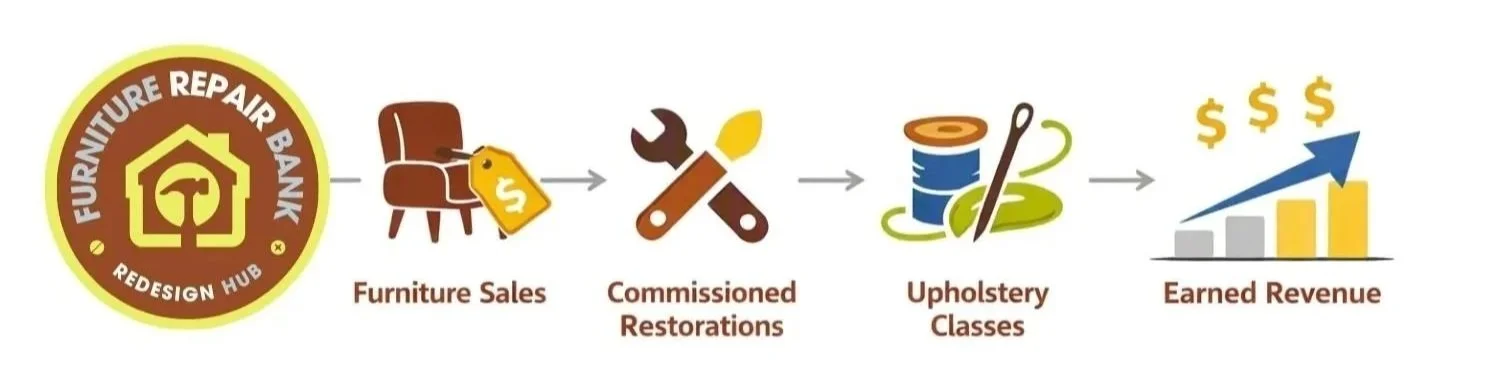
FRB has also been building financial resilience. Alongside grants and public funding, we have started testing mission-aligned earned revenue opportunities such as upholstery classes, structured restoration services, and selected furniture sales. Our pilot upholstery class filled quickly, showing that the community wants hands-on repair education. These programs not only help generate income, but also advance our mission by building a culture of repair and reuse beyond our own walls.
A Mission of Growth
All of this internal work matters because impact does not happen by accident. Every restored dresser, every delivered bed, every trained volunteer, and every diverted item of furniture depends on systems that are strong enough to support the work. When we improve our HR practices, we protect our team. When we improve inventory, we serve families faster. When we improve training, we create better volunteer experiences. When we improve safety, we make repair work more sustainable. When we improve financial systems, we build trust and long-term stability.
Furniture Repair Bank is still young, but we are growing from a creative idea into a durable community repair institution. The past several months have reminded us that building impact means building capacity. The behind-the-scenes work — the spreadsheets, policies, training materials, storage systems, job descriptions, safety plans, and meeting notes — is what makes the visible impact possible. It is how we turn repair into service, service into dignity, and internal progress into community change.
Thanks for supporting us on this journey!
See you at Furniture Repair Bank!
Follow us!